
Housing needs are changing rapidly, and homeowners are searching for smarter ways to create flexible living space without relocating. Multi-generational living, remote work, rental income opportunities, and rising property values are all contributing to the growing popularity of ADU & Additions. Accessory dwelling units and home additions allow homeowners to maximize property functionality while adapting to evolving family and lifestyle needs.
ADUs, also known as accessory dwelling units, are self-contained living spaces typically built on the same property as the main residence. These structures can function as guest houses, rental units, home offices, studios, or independent family living spaces. Combined with carefully planned home additions, ADU projects are helping homeowners increase flexibility, comfort, and long-term property value in ways traditional remodeling projects often cannot achieve alone.
Step 1: Understand Why ADUs Are Growing in Popularity
Modern households often require more adaptable living arrangements than traditional home layouts provide. Families may need private spaces for aging parents, adult children, remote work, or long-term guests.
Professionally designed ADU & Additions projects help homeowners create independent and highly functional spaces without purchasing additional property.
Common Reasons Homeowners Build ADUs:
- Multi-generational living arrangements
- Rental income opportunities
- Remote work flexibility
- Guest accommodations
- Expanded long-term living space
These flexible uses make ADUs one of the most versatile modern remodeling investments.
Step 2: Evaluate Available Property Space
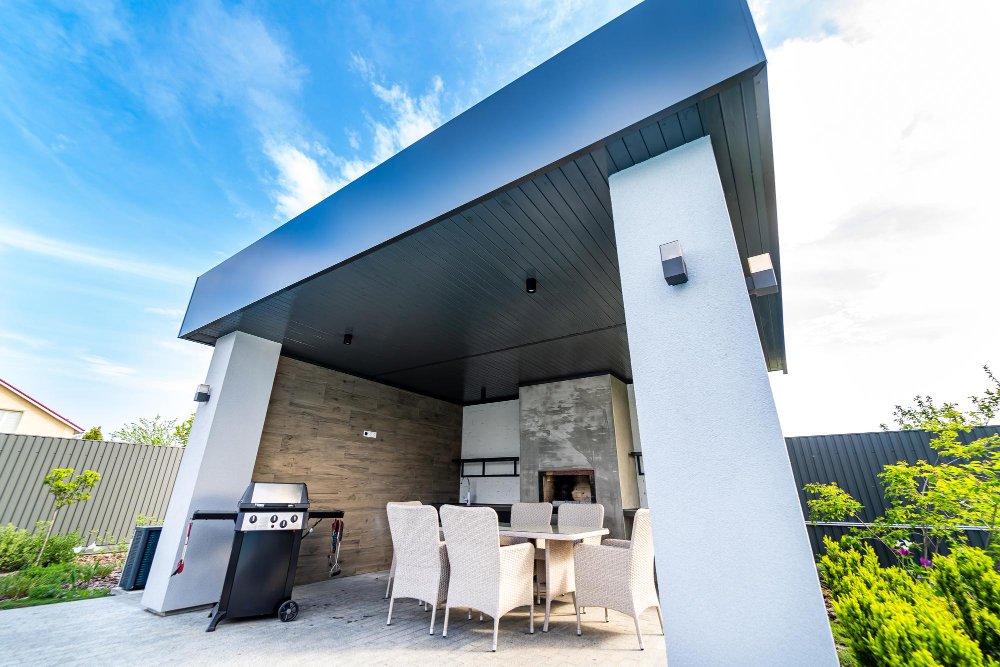
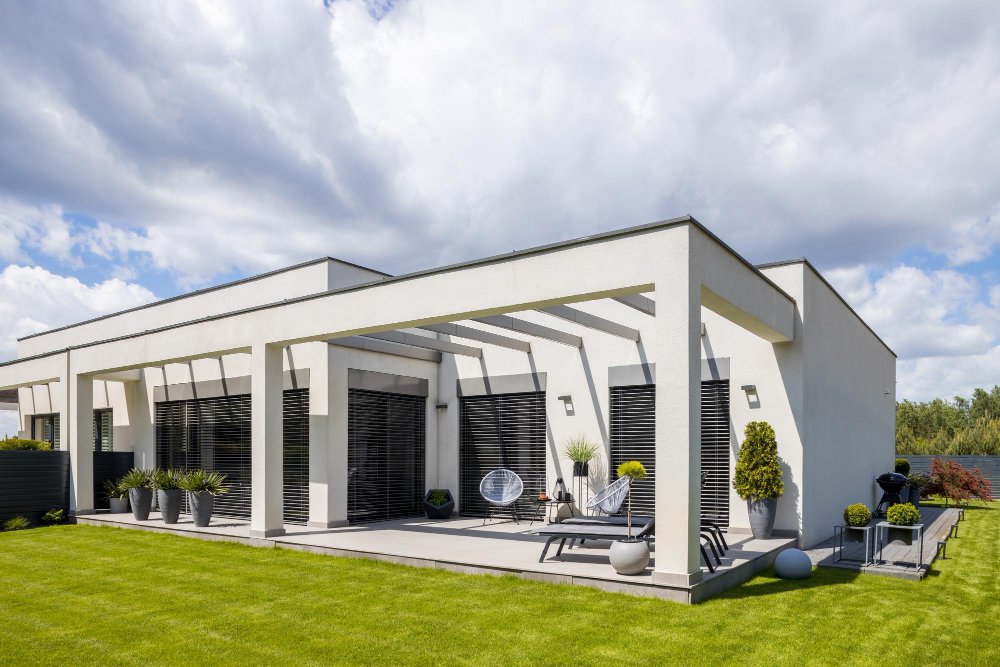
Before beginning an ADU project, homeowners should assess how much usable space exists on the property. Some projects involve detached backyard structures, while others expand existing garages or integrate additions directly into the primary residence.
Homeowners working with specialists in ADU Construction & Expansions often discover creative layout possibilities that maximize both functionality and privacy.
Popular ADU Types Include:
- Detached backyard cottages
- Garage conversion ADUs
- Attached home additions
- Second-story apartment additions
- Studio-style guest units
Each option offers different advantages depending on the property layout and household goals.
Step 3: Design Flexible Multi-Purpose Spaces
One of the biggest strengths of ADU living is flexibility. A space initially designed as a home office or guest suite can later transition into a rental unit or independent family residence.
Thoughtful floor planning helps homeowners create adaptable layouts that continue meeting changing lifestyle needs for years to come.
Step 4: Prioritize Privacy and Comfort
Successful ADU projects balance accessibility with privacy for both the primary residence and the secondary living space. Separate entrances, sound insulation, dedicated outdoor areas, and smart window placement all contribute to a more comfortable living experience.
Privacy planning becomes especially important for rental or multi-generational housing arrangements.
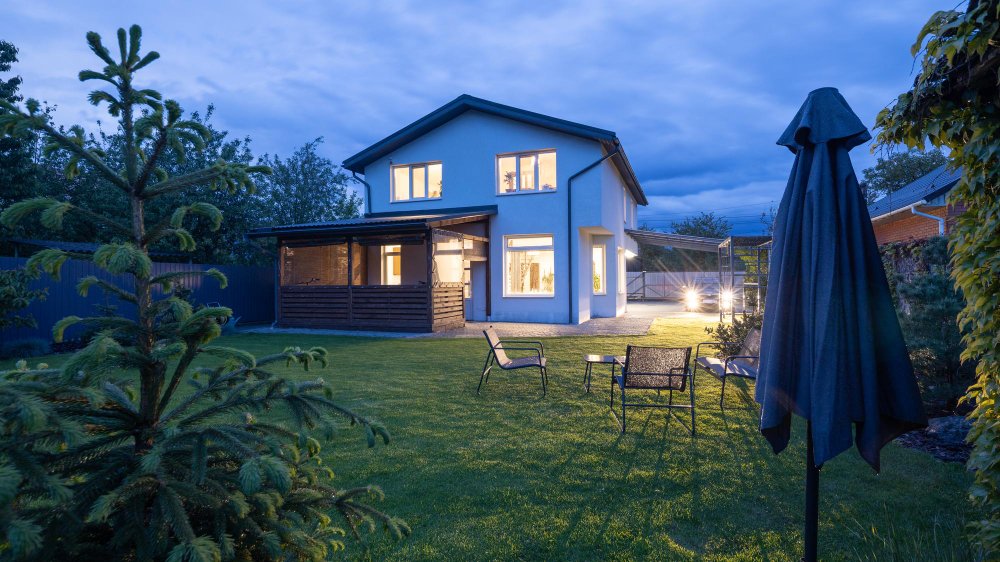
Step 5: Modern ADUs Focus on Efficient Design
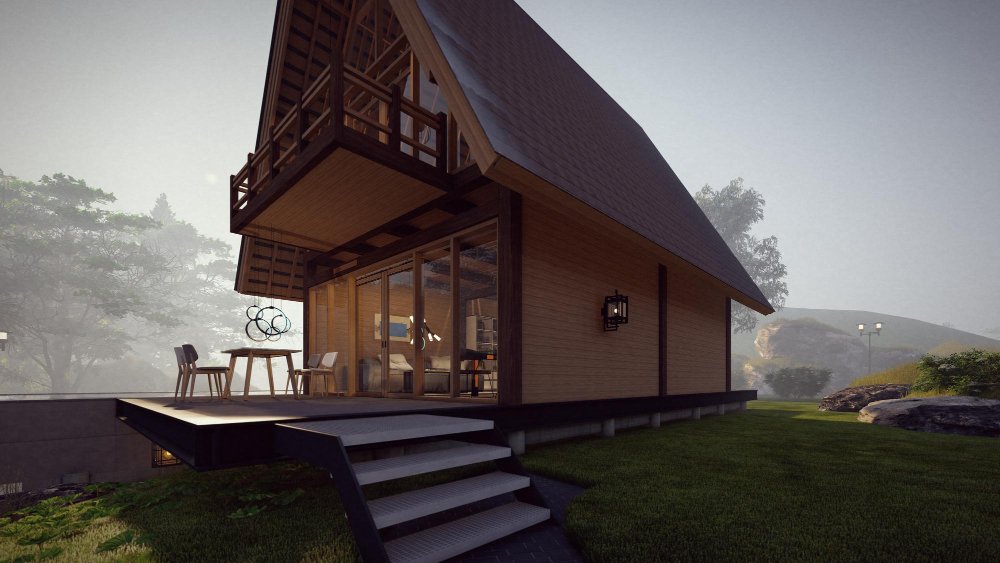
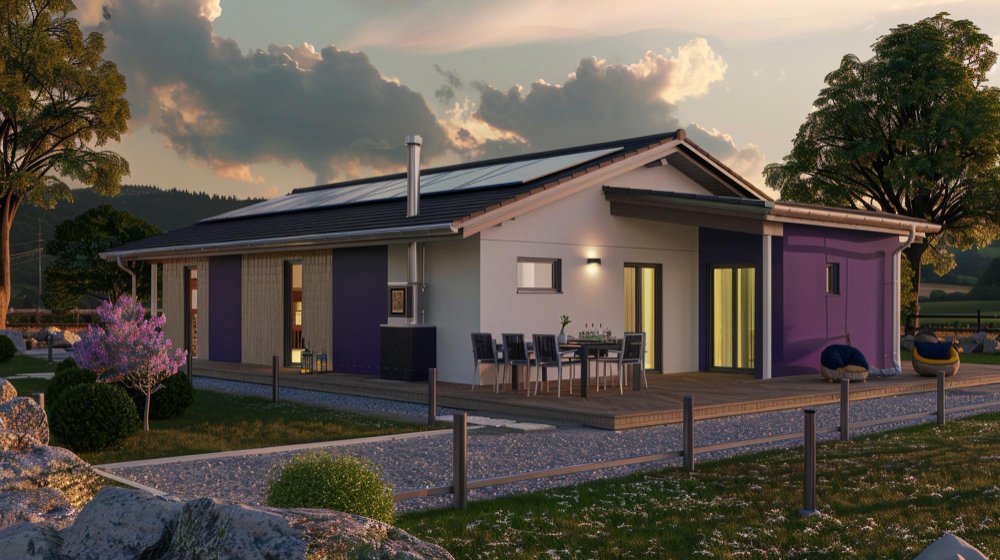
Many accessory dwelling units maximize smaller footprints through efficient layouts, built-in storage, and open-concept design principles.
Popular ADU Design Features Include:
- Integrated kitchenettes
- Built-in storage systems
- Large natural light openings
- Compact multifunctional furniture
- Minimalist modern finishes
These features help smaller spaces feel more spacious and highly functional.
Step 6: Energy Efficiency Improves Long-Term Performance
Modern ADU projects often incorporate energy-efficient windows, insulation systems, lighting, and appliances designed to reduce operating costs while improving year-round comfort.
Efficient construction also supports long-term sustainability and lower utility expenses.
Step 7: Understand Local Building Regulations
ADU projects typically require zoning approval, permits, and compliance with local building regulations. Requirements may vary depending on lot size, utility access, parking, and occupancy rules.
Professional remodeling teams help homeowners navigate these requirements while ensuring projects meet applicable building standards.
Don’t wait!
Contact us today to schedule your consultation and see how Oakland Elite Siding can transform your home’s exterior into something truly stunning!
Step 8: Professional Construction Protects Investment Value
ADUs involve structural work, plumbing, electrical systems, insulation, and detailed construction coordination. Improper construction can lead to safety concerns or long-term maintenance problems.
Professional builders ensure additions and accessory units are constructed according to code while maintaining architectural consistency with the main residence.
Professional Construction Benefits:
- Improved structural durability
- Proper utility integration
- Enhanced energy performance
- Long-term code compliance
Skilled construction helps maximize both comfort and long-term investment protection.
Step 9: ADUs Can Significantly Increase Property Value
Buyers increasingly value homes with flexible living arrangements and income-generating potential. Well-designed ADUs help properties stand out while adding functional square footage and versatility.
Consulting with a professional Accessory Dwelling Units & Extensions specialist helps homeowners create additions that balance comfort, flexibility, and long-term property value.
Final Thoughts on ADUs and Home Additions
ADU & Additions projects are reshaping modern home living by providing flexible spaces that adapt to changing family needs, remote work lifestyles, and housing demands. Whether used for guests, rental income, or multi-generational living, accessory dwelling units offer homeowners a highly versatile long-term investment.
With careful planning and professional construction, ADUs can dramatically improve property functionality, comfort, and future value while supporting the evolving ways people live today.